
Mass Casualty Trauma Kit
How to Build an Active Shooter Trauma Kit for Your Facility
In a mass casualty event, the injured won’t be in one place. Neither should your trauma gear. The Mass Casualty Trauma Kit is a self-contained pouch stocked to treat 2–6 critically injured people — built so you can stage several around your building and hand one to every trained responder.
$309.99 per kit · Black or Red bag
- Bleeding, chest-wound, and airway control — no band-aid filler
- Pro-grade components from TacMed, North American Rescue & more
- 2 lb 2 oz MOLLE pouch one person can grab and run with
- Pairs with our free Emergency Trauma Response course

#1 preventable cause
Uncontrolled bleeding is the leading cause of preventable death after traumatic injury.
Minutes, not hours
Severe bleeding can become fatal within minutes — often before EMS can safely reach victims.
Bystanders act first
The people already in the room are the ones who can apply a tourniquet before help arrives.
Sources: American College of Surgeons Stop the Bleed program; bleedingcontrol.org.
The strategy
Distributed Kits Beat One Big Bag
Most facilities buy a single large trauma backpack. It looks prepared — until casualties are spread across a sanctuary, a lobby, and a parking lot.
One large bag
- All supplies sit in one location
- Trained responders converge on the bag, not the victims
- One person carrying it can only treat one area
- If that area is unsafe, the whole kit is out of reach
Several self-contained kits
- Each pouch can treat 2–6 critical casualties on its own
- Multiple responders move to multiple victims at once
- Stage at a security desk, spread through the building, or carry several in a larger bag
- Easy to add coverage as your occupancy grows
Plan your coverage
How Many Kits Does Your Facility Need?
We size coverage to your peak occupancy — the most people in your building at once, like a full Sunday service or a holiday weekend.
- 20–50 people: 1 kit
- 51–100 people: 2 kits
- 101–200 people: 4 kits
- 201–300 people: 6 kits
- Each additional 100 people: +1 kit
Price per kit: $309.99
Buying for a church, school, or business with a PO or a larger order? Call or text 720-807-2181 or email support@mountainmanmedical.com.
What's inside
Built Around MARCH — The Threats That Kill First
Every component addresses a life threat in the minutes before paramedics arrive. Assembled by Mountain Man Medical from proven components by TacMed, North American Rescue, Dynarex, and others.
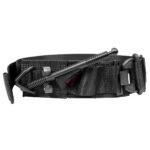
M · Massive hemorrhage
Stop the Bleed
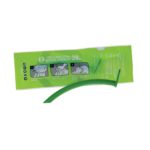
A · Airway
Keep the Airway Open
NPAs are for trained responders — covered in the free course below.
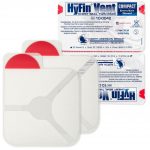
R · Respiration
Seal the Chest
- 2× NAR HyFin Vent Compact twin packs — 4 vented seals for entry and exit wounds
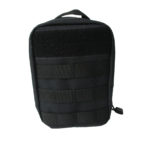
C · H · Circulation & hypothermia
Manage the Patient
- 1× Mylar rescue blanket
- 1× Compact trauma shears
- 4× pairs nitrile gloves
- 1× Triangular bandage / cravat
- 1× Marker for tourniquet times
- All in an Osprey MOLLE pouch with red-cross ID patch
- Treats 2–6 critical casualties
- Weight: 2 lb 2 oz
- Bag colors: Black or Red
- Refresh interval: 5 years
What's not inside — on purpose
Every Dollar Goes Toward Keeping Someone Alive
Your building already has phones, and paramedics are typically minutes away. You won’t need to splint fractures or move patients — you need to keep critically injured people alive until EMS gets there.
So we left out everything that doesn’t do that job. If you also want everyday first aid on hand, stock it separately so responders aren’t digging past band-aids to find a tourniquet.
- Band-aids
- Burn cream
- Pain relievers
- Splints
- Immobilization gear
- Filler & fluff
Watch the walkthrough
How to Build Out an Active Shooter Trauma Kit
A full breakdown of what belongs in a facility trauma kit, what doesn’t, and why. About 16 minutes.
Who it's built for
Any Place People Gather
- Churches
- Private schools
- Small & large businesses
- Shopping centers & malls
- Large retail stores
- Movie theaters
- Entertainment venues
Free training
A Kit Is Only as Good as the Hands Using It
Our no-cost Emergency Trauma Response online course walks your security team and staff through the MARCH sequence, tourniquet application and improvised options, chest wounds, airway management, and their role as a first responder — 14 lessons with a certificate on completion.
Maintenance
Know When to Refresh
We recommend refreshing each kit every 5 years. The tourniquets and NPAs are rated longer, but the chest seals, hemostatic gauze, and gloves set the clock. Inspect kits on a regular schedule and replace anything opened, damaged, or used.
Individual components are sold on their own, so you can restock a used kit without buying a new one.
★★★★★ Rated 5 out of 5
“High quality. Great kit!”
Steven C. Morreale, M.D./M.P.H. — verified owner
Questions
Frequently Asked Questions
How many Mass Casualty Trauma Kits does my building need?
Base it on peak occupancy: 1 kit for 20–50 people, 2 for 51–100, 4 for 101–200, 6 for 201–300, and 1 more for each additional 100 people. Use the calculator above for a quick count.
Why several small kits instead of one large trauma bag?
In a mass casualty event, victims are often spread across rooms, floors, or buildings. Several self-contained kits let multiple trained responders treat multiple victims at the same time instead of all converging on one bag.
Where should we store the kits?
It depends on your layout and security plan. Common options are staging them together at a security desk, placing them at strategic points throughout the facility, or carrying several in a larger bag with your security team.
Does our team need training to use the kit?
Tourniquets and pressure bandages can be used with brief instruction, but we strongly recommend everyone responsible for the kits complete our free Emergency Trauma Response course. Some components, like nasopharyngeal airways, should only be used by trained responders.
How long do the supplies last?
We recommend refreshing each kit every 5 years, set by the shelf life of the chest seals, hemostatic gauze, and gloves. Replace any component that has been opened, used, or damaged.
Can we order for an organization or with a purchase order?
Yes. For larger orders or purchase orders, call or text 720-807-2181 (M–F, 7am–4pm Mountain) or email support@mountainmanmedical.com.
Equip Your Facility Before You Need To
$309.99 per kit. Choose Black or Red. Stock as many as your occupancy calls for.
Questions? Call or text 720-807-2181 · M–F 7am–4pm Mountain · support@mountainmanmedical.com