Need support? | M-F 7am -4pm Mountain | support@mountainmanmedical.com | Text/Call: 303-529-7796
Backcountry Medical Preparedness
When You're Far From Help, You Need a Better Medical Plan
Hunting, hiking, camping and other outdoor adventures often take us exactly where we want to be: away from roads, crowds and civilization. But when something goes wrong, that distance can turn even a manageable injury into a much more serious problem.
A Real Backcountry Emergency
In September 2022, two hunters found themselves dealing with exactly the kind of emergency outdoorsmen hope will never happen. One of the men suffered a deep laceration and was bleeding badly enough that his hunting partner needed to act immediately.
Without a purpose-built tourniquet available, his partner improvised a tourniquet to slow the bleeding. Fortunately, the hunters had also brought a two-way satellite communication device and were able to send an SOS requesting rescue.
But contacting rescuers wasn't the same thing as having rescuers standing beside them. The terrain prevented the rescue helicopter from landing. Pararescuemen ultimately had to be lowered from the aircraft, reach the injured hunter, provide care and hoist him out in a litter before he could begin the journey to definitive medical treatment.
The hunters had done something critically important: they had a way to call for help. But until that help could physically reach them, they were responsible for managing the emergency themselves.
Source: National Guard
With Severe Bleeding, The Clock Is Already Running
2–4 Minutes
Severe bleeding can become fatal in as little as 2 to 4 minutes.
Think about what can happen outdoors: a knife slips while field dressing an animal. A broadhead causes a deep wound. A firearm accident occurs. An animal attack tears an artery. A fall produces a serious laceration.
These aren't injuries where the plan can simply be to wait for an ambulance. Even in town, professional responders may not reach you before those first critical minutes have passed. In the backcountry, immediate field treatment may be the only thing standing between the injury and a fatal outcome.
In the backcountry, calling for help and getting help
can be two very different things.
You can make smart decisions, handle your firearm safely, watch the weather and choose your route carefully. But you can't control every risk. Falls happen. Knives slip. Vehicles roll. Weather changes. And sometimes, the person who causes the emergency isn't you.
You Can't Control Every Variable in the Field
Data compiled in the International Hunter Education Association's Hunting Incident Database illustrates the point. From 2010 through 2025, the database includes 6,833 hunting incidents with a recorded casualty type, including 929 fatalities.
Even more telling, among incidents where investigators recorded whether the injury was self-inflicted, 57.6% involved one person injuring another.
The lesson isn't that hunting is inherently unsafe. Modern hunter education has made hunting remarkably safe. The lesson is that personal caution alone cannot guarantee that you won't someday be the injured person—or the person standing next to someone who desperately needs help.
Source: International Hunter Education Association-USA Hunting Incident Database . IHEA notes that reporting completeness varies by state and year.
The Injury Is Only Half the Problem
In town, a serious medical emergency usually starts with a simple instruction: Call 911. In the backcountry, making that call and getting professional help to your location can be two very different things.
A Mile or Two Isn't Far—Until Someone Is Seriously Injured
One or two miles up a trail or away from the nearest road is a small distance in the mind of most hunters and hikers. In good weather, on familiar terrain and with everyone healthy, it may be an easy walk.
Now imagine those same two miles with a severe bleed, a penetrating chest injury, a broken leg or a partner who can no longer walk. A distance that seemed insignificant on the way in can become an enormous obstacle on the way out.
You May Not Have a Signal
Mountains, canyons and remote terrain can leave large areas without reliable cellular service. Your phone may be an important emergency tool, but it should never be your entire emergency plan. Satellite-capable phones and dedicated communicators can provide additional options, but those options need to be understood and prepared before an emergency.
Help Still Has to Reach You
Even when you successfully call for help, responders may be miles away and separated from you by rough roads, steep terrain, water crossings or other obstacles. A response measured in minutes around town can become a rescue measured in hours in remote country.
Weather Can Change Everything
Experienced outdoorsmen know how quickly weather systems can change in the mountains. Falling temperatures, rain, snow, wind or thunderstorms can slow travel, complicate navigation, limit aircraft access and turn exposure into an additional medical problem for an already injured person.
Evacuation Takes Time Too
Reaching an injured person is only the beginning. That person may still need to be moved to a road, trailhead, vehicle, helicopter landing area or other point where higher-level medical care becomes possible. If they can't move under their own power, every mile becomes considerably harder.
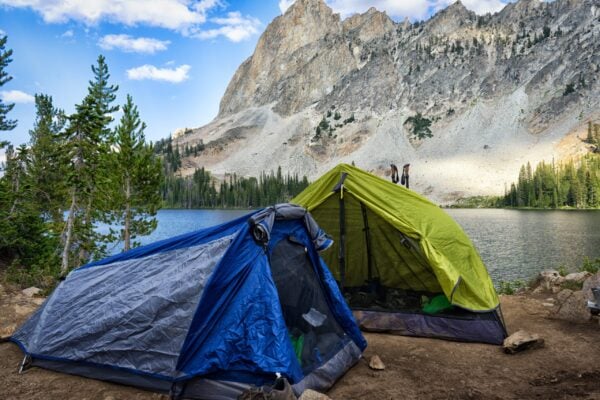
In the backcountry, you aren't just waiting for help.
You may need to keep someone alive until help can reach you.
This is what makes medical preparedness outdoors fundamentally different from preparedness at home. You may need to control severe bleeding, seal a penetrating chest wound, protect an injured person from the environment, move them to a safer location, continue monitoring them and make decisions about evacuation before professional responders ever arrive.
A tourniquet, wound-packing gauze or chest seal doesn't replace the hospital. It may give you the opportunity to survive long enough to reach one.
That's why heading into remote country should involve more than tossing a first aid kit into your pack. It should involve thinking through an entire medical preparedness plan: how you'll call for help, where you're going, how you'll navigate, what medical equipment you'll carry, what additional resources are waiting at camp or the vehicle, and how an injured person could ultimately get back to definitive care.
The National Park Service advises backcountry visitors that cellular coverage may be unreliable and that rescue and evacuation can be delayed by distance, terrain, weather and other conditions.
Plan Before You Go
Build a Medical Preparedness Plan, Not Just a First Aid Kit
Carrying good medical equipment matters. But in remote country, your plan should answer a bigger question: If something serious happens out there, what are we going to do?
1. Tell Someone Your Plan
Make sure someone who isn't going with you knows where you're headed, where you expect to park or camp, who is in your group and when you expect to return. Establish a specific point at which a missed check-in should become a reason to seek help.
2. Have a Communication Plan
Research cellular coverage instead of assuming you'll have it. Understand any satellite emergency capabilities available on your phone and, for more remote trips, consider a dedicated satellite communicator or personal locator beacon.
3. Know Where You Are
Download maps for offline use and know how to identify and communicate your location. Consider your trailhead, vehicle, camp, access roads and recognizable landmarks before an emergency makes navigation more difficult.
4. Think Through Evacuation
If someone can't walk out under their own power, what happens next? Consider the distance to your vehicle, the terrain, available roads and trails, other people in your group and how professional rescuers might realistically reach your location.
5. Carry the Right Medical Equipment
Prepare for more than minor cuts and blisters. Your equipment should reflect the activities you're doing, the number of people in your group, the potential for serious trauma and how long you may need to care for someone before reaching higher-level medical help.
6. Know How to Use What You Carry
Equipment doesn't replace training. Everyone in your group should at least know where the medical gear is located, and ideally more than one person should know how to control life-threatening bleeding and use the critical equipment you're carrying.
Real-World Example
Preparedness Works in Layers
In 2025, an elk hunter accidentally stabbed himself in the leg while processing an animal in the field. He had both a tourniquet and QuikClot with him and also carried satellite-capable communication devices.
When he attempted to call for help, his Garmin satellite communicator reportedly failed to complete the SOS. His iPhone's satellite emergency feature succeeded instead. Even with medical gear and a working way to summon help, he deteriorated into shock and lost consciousness before rescuers reached him roughly three hours later.
The lesson isn't that his preparedness failed. Different parts of his plan gave him options when another part didn't work. In remote country, redundancy matters.
Source: MeatEater
The goal isn't to prepare for every conceivable emergency. It's to think through the problems that become much harder to solve when you're miles from immediate professional help—and bring the knowledge, equipment and communication tools that give you more options when something goes wrong.
Medical Gear in the Backcountry
You Can't Carry Everything. So Don't Try.
A larger medical kit gives you more options. But when every ounce has to travel with you for miles, size and weight matter. The best-equipped kit in the world isn't much help if it's sitting back at the truck during the first critical minutes of an emergency.
That's especially true for hunters, backpackers and anyone else covering significant distance on foot. You're already carrying water, food, clothing, navigation equipment, hunting gear and everything else the trip requires. Medical preparedness has to compete for limited space and weight in your pack. Every ounce has to earn its place.
Rather than choosing between a tiny kit with limited capability and a comprehensive kit that's too cumbersome to carry everywhere, we prefer a two-layer approach: carry the equipment needed for the most time-critical threats with you, and stage broader medical capability at your vehicle or camp.
Layer One
Carry Critical Trauma Gear With You
Some injuries can't wait for you to hike back to the truck. Equipment for severe bleeding and other immediately life-threatening trauma needs to be close enough to reach when the injury happens, not twenty minutes, an hour or several miles later.
Think of this as your immediate-response layer: compact, lightweight equipment intended to address the problems that can kill in minutes and give you a chance to begin moving toward additional resources and professional care.
Layer Two
Keep Expanded Capability at Base Camp
At your vehicle, campsite, cabin or other base of operations, weight matters much less. That's where you can keep additional trauma equipment along with broader first-aid supplies, splinting materials, wound care and other resources that don't make sense to carry every mile.
This becomes your extended-care layer: more equipment and more options once you've addressed the immediate threat and are working to stabilize the injured person, manage additional problems and continue the journey toward definitive medical care.
The Two-Layer Approach
Carry what you need to survive the first minutes.
Stage what you may need to make it home.
Layer One: On You or In Your Pack
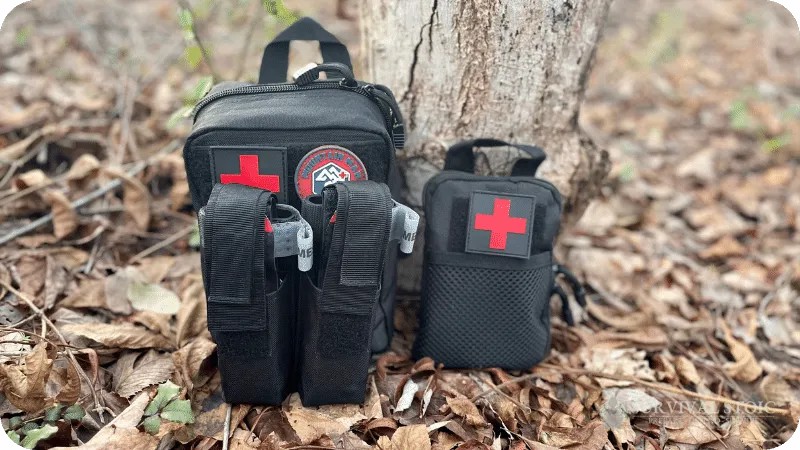
The Tracker Trauma Kit
Serious Trauma Capability. Just 13 Ounces.
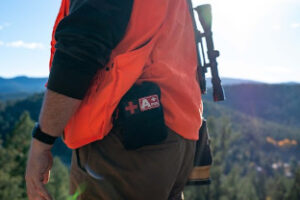
Hunters and backpackers count ounces for a reason. Everything you carry has to earn its place. That's why the Tracker was designed around a simple reality: the emergency medical equipment that matters most is the equipment you actually have with you when the injury occurs.
At approximately 13 ounces, the Tracker gives you meaningful trauma capability without asking you to dedicate a large portion of your pack—or a large portion of your load—to medical equipment.
Its compact footprint makes it easy to slip inside a backpack or hunting bag, or attach it to a belt or pack where it remains readily accessible. The goal is simple: make the kit small and light enough that leaving it behind doesn't make sense.
Explore the Tracker Trauma KitMake Every Ounce Count
Compact Gear. Multiple Uses.
The Tracker isn't a giant first aid kit squeezed into a smaller bag. Its contents were deliberately selected around serious trauma, compact size and components that can serve more than one purpose when you're working with limited space and weight.
Multi-Purpose Tourniquet
A proven field tourniquet provides immediate capability for life-threatening extremity bleeding, while its flexible design can also be improvised for other uses such as a pressure wrap, sling or splinting aid.
Wound Packing
Hemostatic and compressed gauze give you compact options for packing and applying pressure to serious wounds where a tourniquet isn't appropriate.
Built for Improvisation
Compact shears, flat-folded duct tape, an emergency blanket and other carefully selected components provide additional options for managing injuries and solving problems in the field without adding unnecessary bulk.
A good example of the Tracker philosophy: its tourniquet isn't limited to one job.
Beyond hemorrhage control, the flexible material can be adapted in the field as a pressure wrap, sling or splinting aid. It can also be used as part of an improvised chest seal and, in a true survival situation, the material can even serve as an effective fire starter.
The goal isn't to replace a comprehensive medical kit. The goal is to make sure the equipment that could save a life in the first few minutes isn't sitting two miles away at camp when you need it.
Layer Two: At Camp or the Vehicle
The Basecamp Trauma & First Aid Kit
When you don't have to carry it every mile, you don't have to make the same compromises.
The Basecamp is designed to stay at your campsite, cabin, vehicle or other base of operations. Because weight and bulk matter less there, it can provide significantly broader medical capability than the kit you carry into the field.
That means additional resources for serious trauma along with supplies for fractures, burns, environmental emergencies and the more common first aid problems that can arise over the course of a hunting trip or outdoor adventure.
Instead of asking one small kit to solve every possible problem, the Basecamp gives you a place to stage expanded medical resources where you can reach them as you begin working your way back toward civilization and higher-level medical care.
Explore the Basecamp Kit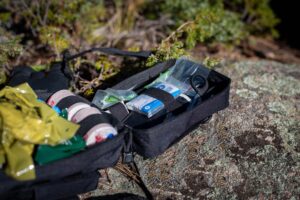
More Room Means More Capability
Designed to Work Together
The Tracker Gets You to Camp. The Basecamp Gets You Back to Civilization.
These two kits were designed around different stages of the same backcountry emergency. One stays close enough to use immediately. The other gives you more capability once you reach your vehicle, campsite or other base of operations.
INJURY → TRACKER → BASECAMP → CIVILIZATION
If an injury happens several miles from camp, the Tracker gives you immediate access to the trauma equipment you're most likely to need first. Once you reach your vehicle or campsite, the Basecamp expands your options with additional trauma and first aid supplies.
That layered approach lets you balance two competing realities of backcountry preparedness: you need meaningful medical capability with you, but you also need to keep weight and bulk under control.
Another Approach
What If You Just Want One Good Medical Kit?
Not every outdoor trip requires a two-kit system. If most of your hunting, camping or recreation keeps you reasonably close to a vehicle or base of operations, one well-equipped medical kit may make more sense.
Mountain Man Medical has two strong options for that approach. Both can live in a truck, SUV, camper, hunting cabin, range bag or other location where you want serious medical capability readily available.
Compact All-Around Trauma Kit
The Yellowstone
The Yellowstone is a compact but comprehensive trauma kit built around the problems that matter most when serious injury occurs: severe bleeding and penetrating trauma.
It includes a tourniquet option, hemostatic gauze, chest seals, a compression bandage, compressed gauze and other trauma essentials while remaining small enough to fit comfortably in a vehicle, backpack, range bag or similar space.
Best choice if: You want serious trauma capability in a compact package and don't need a large assortment of everyday first-aid supplies.
Explore the YellowstoneComprehensive Trauma + First Aid
The Wind River
The Wind River is for someone who wants more capability in one bag. It combines substantial trauma resources with a deeper assortment of supplies for the ordinary medical problems that happen outdoors.
With multiple tourniquets, hemostatic and pressure dressings, chest seals, wound-care supplies, splinting support, burn care and common first-aid items, it is designed to handle both serious emergencies and the problems you're statistically much more likely to encounter.
Best choice if: You want one comprehensive kit for your vehicle, camp or group and are willing to accept a little more size and weight in exchange for more capability.
Explore the Wind RiverThere isn't one correct setup for everyone. The right choice depends on how far you're traveling from your vehicle, how many people you're responsible for, how much equipment you're willing to carry and the kinds of emergencies you want to be prepared to manage.
Compare Your Options
Which Medical Kit Is Right for You?
Start with how you actually spend time outdoors. A hunter hiking miles from camp has different requirements than someone who wants a capable medical kit permanently stored in a truck or camper.
| Kit | Best For | Where It Lives | Primary Focus | Choose This If... |
|---|---|---|---|---|
| Tracker | Hunters, hikers & backpackers | On your body or in your pack | Lightweight trauma response | You need serious trauma gear with you while keeping weight and bulk to a minimum. |
| Basecamp | Camps, groups & remote trips | Camp, cabin or vehicle | Trauma + expanded first aid | You want broader medical capability where carrying weight isn't the primary concern. |
| Yellowstone | General trauma preparedness | Vehicle, pack, home or range | Compact trauma capability | You want one compact, versatile kit focused primarily on serious trauma. |
| Wind River | Comprehensive preparedness | Vehicle, camp, home or group | Trauma + comprehensive first aid | You want a single, more comprehensive kit capable of addressing serious trauma and everyday injuries. |
Going deep into the backcountry? Our preferred approach is the Tracker on you and the Basecamp at camp or your vehicle. If you prefer a single-kit solution, choose between the Yellowstone's compact trauma focus and the Wind River's broader trauma and first-aid capability.
Prepare for the Problems That Matter
What Injuries Should Outdoorsmen Be Prepared For?
Most days outdoors end without a serious medical emergency. But a good medical plan considers both the common problems you're likely to encounter and the less common injuries where having the right equipment immediately available could make the difference between a survivable emergency and a fatal one.
Severe Bleeding
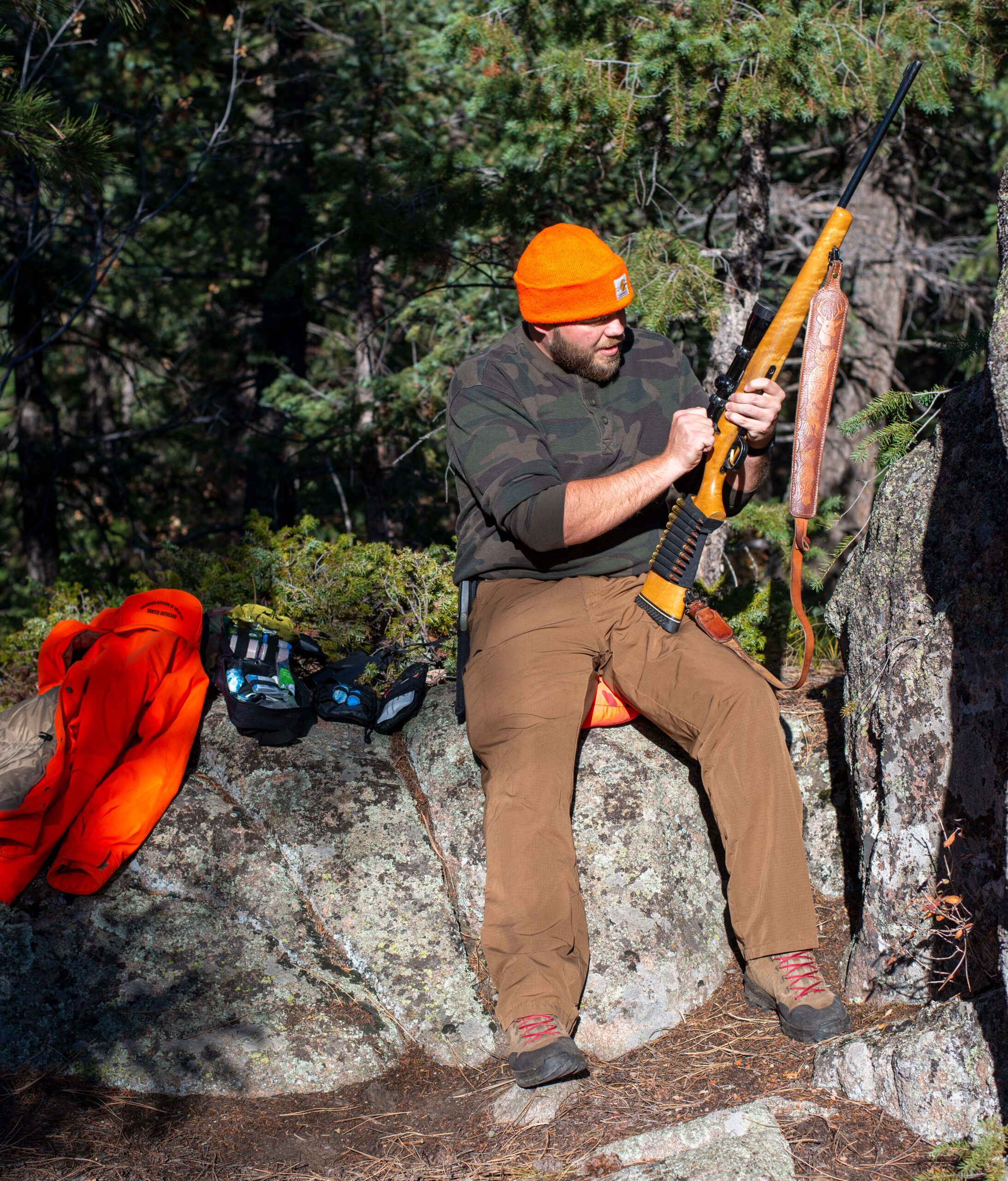
A slipped knife, broadhead injury, firearm accident, animal attack, tool injury or serious fall can damage a major blood vessel and create a life-threatening hemorrhage. With severe bleeding, the window to act will be measured in minutes. Your gear should include proven tools for controlling life-threatening bleeding immediately.
Falls & Orthopedic Injuries
Uneven terrain, steep slopes, tree stands and simple bad footing can result in sprains, fractures and other injuries that make self-evacuation significantly more difficult. A mile or two that was easy on the way in can become an entirely different problem when someone can no longer walk.
Penetrating Trauma
Firearms, broadheads, knives, sharp branches and animal attacks can cause penetrating wounds to the chest or other areas of the body. These may be low-frequency events, but some can become immediately life-threatening and require intervention long before professional help can reach you.
Vehicle & ATV Injuries
Trucks, ATVs, UTVs, motorcycles and other vehicles used to reach remote areas introduce another source of potentially serious trauma, often in places where professional help is still difficult to reach.
Environmental Emergencies
Experienced outdoorsmen know how quickly conditions can change. Cold, heat, storms, falling temperatures and prolonged exposure can become medical emergencies of their own—and can make an existing injury considerably more difficult to manage or evacuate.
Everyday First Aid
Cuts, abrasions, burns, blisters, headaches, minor wounds and similar problems are far more common. They may not threaten a life, but treating them effectively can keep a small problem from ending a trip.
First Aid and Trauma Are Not the Same Thing
Many commercially available first aid kits are heavily weighted toward minor injuries. Bandages, antiseptic wipes, medications and wound-care supplies are useful, and they absolutely have a place in an outdoor medical kit.
But those supplies shouldn't create a false sense of preparedness. A small adhesive bandage solves a problem you're likely to encounter. A tourniquet, chest seal or wound-packing gauze addresses a problem you may never encounter—but one you cannot afford to be unprepared for if it happens.
If your activities expose you to the possibility of severe bleeding or significant trauma, your medical plan should include both the equipment and training necessary to address those emergencies, including appropriate tourniquets, chest seals, wound-packing gauze and pressure dressings.
Prepare for the injuries most likely to happen.
Be capable of responding to the injuries you can't afford to ignore.
Before You Leave
Your Backcountry Emergency Checklist
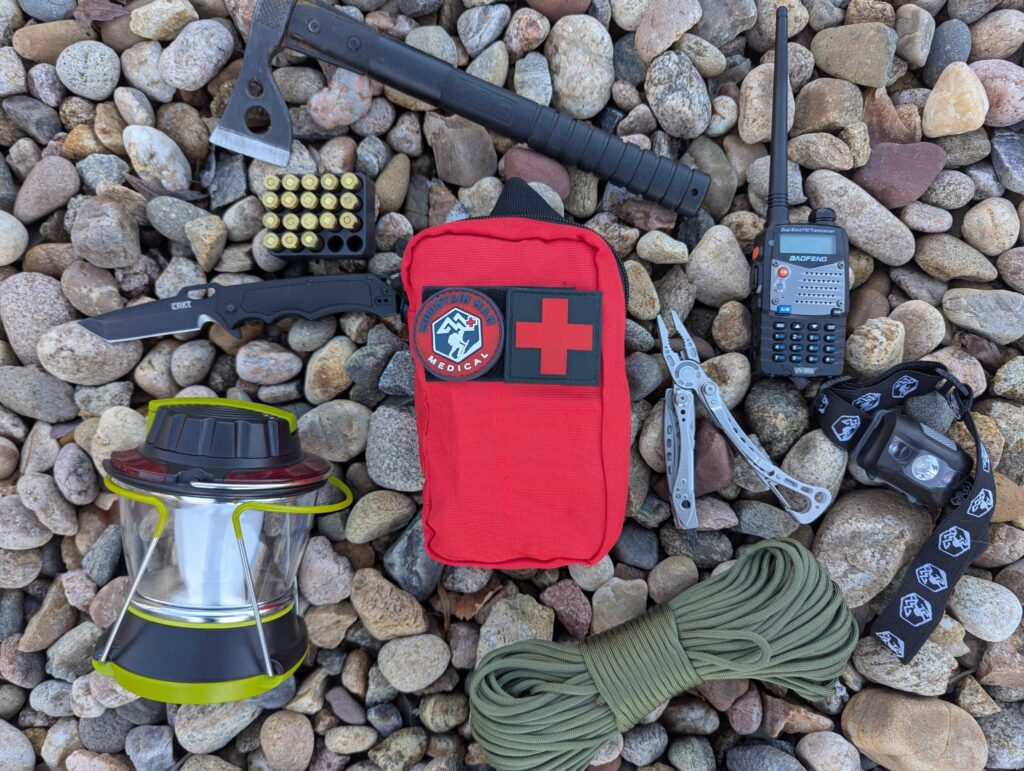
A few minutes of planning before you leave can give you significantly more options if something goes wrong. Before heading into remote country, make sure you can answer the following questions.
Trip & Communication Plan
- Does someone staying behind know exactly where we're going?
- Do they know where we plan to park, camp or enter the backcountry?
- Do they know who is traveling with us?
- Have we established an expected return or check-in time?
- Does that person know when a missed check-in should become a reason to seek help?
- Have we researched cellular coverage in the area?
- Do we have a backup communication method if cellular service is unavailable?
- Are our communication devices charged, accessible and ready to use?
Navigation & Evacuation Plan
- Have we downloaded maps for offline use?
- Can we determine and communicate our location if we need help?
- Do we know the relevant roads, trails, trailheads and access points?
- Does everyone know where the vehicle or base camp is located?
- If someone is injured, what is our most realistic route back toward help?
- What terrain or obstacles could complicate an evacuation?
- If someone cannot walk, have we considered what that would mean for our evacuation plan?
Medical Readiness
- Are we carrying medical equipment appropriate for the activities we're doing?
- Do we have equipment for controlling severe bleeding and serious trauma?
- Do we also have supplies for common first aid problems?
- Has the kit been inspected for missing, damaged or expired supplies?
- Does everyone know where the medical equipment is located?
- Does more than one person know how to use the critical medical equipment?
Environment & Essentials
- Have we checked the weather and prepared for conditions to change?
- Do we have adequate water and a way to obtain or treat additional water if necessary?
- Do we have appropriate clothing and protection from heat, cold or precipitation?
- Do we have a light source and backup power where appropriate?
- Could we remain reasonably safe and sheltered if an emergency forces us to stay out longer than planned?
Don't make your emergency plan during the emergency.
Talk through these questions with your group before you leave. A simple plan can eliminate uncertainty at exactly the moment when time, information and good decisions matter most.
Knowledge Matters
Medical Gear Is Only Useful If You Know How to Use It
Buying a trauma kit is easy. Using that equipment confidently when someone is seriously injured, you're under stress and professional help may be a long way away is something else entirely.
At a minimum, outdoorsmen should understand how to recognize life-threatening bleeding, apply a tourniquet, pack a wound and use a pressure dressing. More comprehensive first aid and wilderness medical training can further prepare you to manage injuries when evacuation and professional care are delayed.
Training also helps you make better decisions about what equipment to carry in the first place. Instead of simply owning medical gear, you understand what each item does, when it should be used and where its limitations are.
Don't have trauma medical training? Start here. It's free.
Mountain Man Medical's Emergency Trauma Response course teaches the fundamental skills you need to respond to a life-threatening traumatic injury, including severe bleeding and other time-critical emergencies.
The course is completely free and can be completed in less than two hours. That's a small investment of time for knowledge you may someday need when professional help isn't immediately available.
And don't make yourself the single point of failure. You may be the injured person. Encourage the people you regularly hunt, hike or travel with to learn these skills too, and make sure everyone knows where your medical equipment is kept.
Preparedness Is Part of the Adventure
The Farther You Go From Help, the More Prepared You Should Be
Part of what makes hunting, hiking, camping and exploring the backcountry worthwhile is getting away from civilization. There are fewer people, fewer roads, fewer distractions and places where your phone may finally stop ringing.
But the same distance that makes those places special also changes what happens when something goes wrong. You may not be able to immediately call for help. Even if you can, professional responders may not be able to reach you quickly.
That's why backcountry medical preparedness isn't just about owning a first aid kit. It's about having a plan, having a way to communicate, knowing how you'll get back out, carrying appropriate medical equipment and developing the skills to use it.
You can't anticipate every accident or eliminate every risk. You can make sure that when something happens, you and the people with you have more options than simply waiting for help.
Out there, you may be the first responder.
Bring the plan, the equipment and the knowledge to be ready for that responsibility.