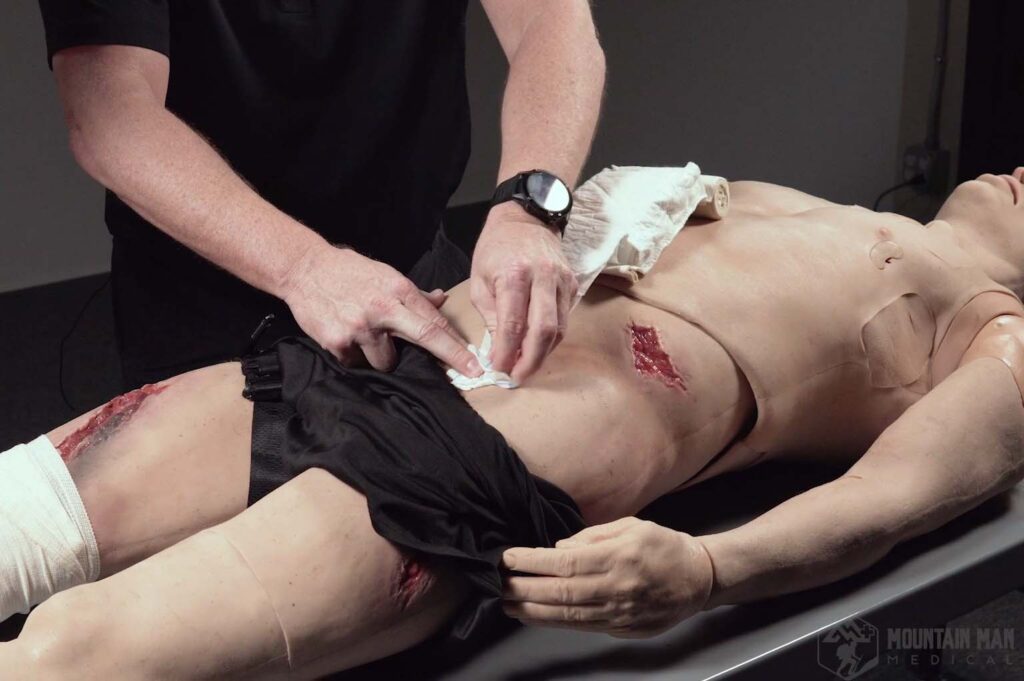
A severe bleeding injury can become fatal in a matter of minutes — often faster than EMS can arrive, stage, and reach the patient. When it happens on your campus, the first responders aren’t paramedics. They’re your teachers, coaches, nurses, and staff.
Severe bleeding doesn’t only come from the events that make headlines. It comes from the everyday reality of a busy campus: a science lab accident, a shop-class injury, a fall on the athletic field, broken glass, a bus collision. Hemorrhage is one of the most common causes of preventable death after injury — and the tools to stop it are simple, affordable, and learnable by non-medical staff in an afternoon.
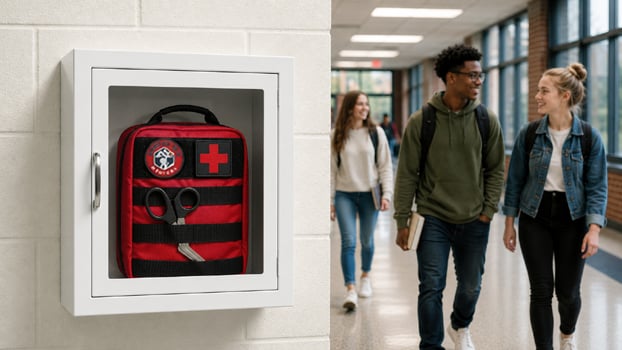
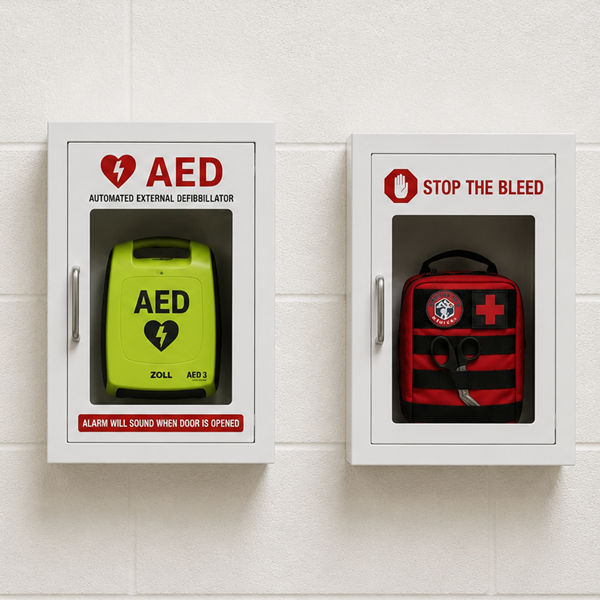
That’s the entire premise of the national Stop the Bleed® initiative: put bleeding control tools where people already are, and train bystanders to use them. For a school, that means a kit within reach of every classroom, gym, and common area — ready before the emergency, not ordered after it.
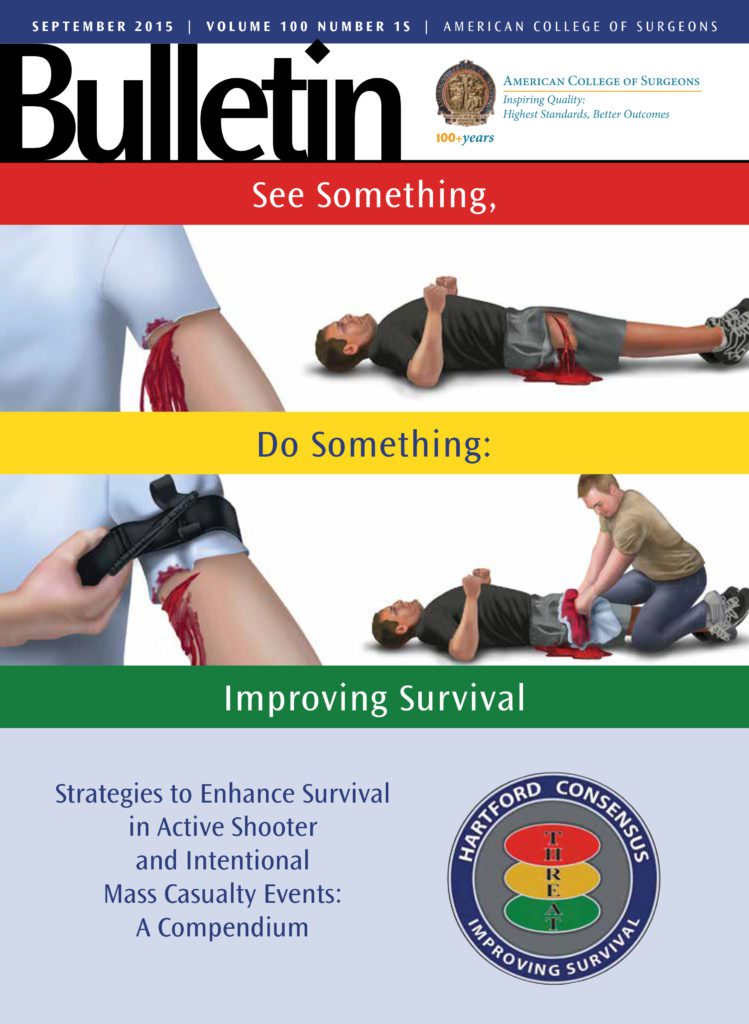
What began as a voluntary safety measure is quickly becoming law. Stop the Bleed grew out of the Hartford Consensus — the panel of trauma and emergency experts convened after Sandy Hook — and since the program launched in 2015, a growing number of states have moved bleeding control kits from “good idea” to legal requirement, many aimed squarely at K–12 schools.
The pattern closely mirrors how AED (defibrillator) laws rolled out a generation ago: first schools and new construction, then existing buildings, then broader public spaces. Whether or not your state mandates kits today, the direction is clear — and getting ahead of the requirement protects your students and staff right now.
A common concern is liability: what if a staff member without medical training uses a kit? Most of these laws include Good Samaritan protection — Missouri’s, for example, shields school personnel who act in good faith from civil liability absent gross negligence. The legal trend isn’t just requiring kits; it’s actively protecting the people who use them.
These laws also specify what a compliant kit must contain — typically a CoTCCC-endorsed tourniquet, a bleeding control bandage, hemostatic or compressed gauze, gloves, trauma shears, a marker, and Stop the Bleed instructions. Every Bleeding Control kit we stock and assemble meets that standard.
Every kit is built from CoTCCC-endorsed tourniquets and name-brand hemostatic gauze, dressings, and seals — the exact components state kit-content laws call for. No unproven or gray-market products.
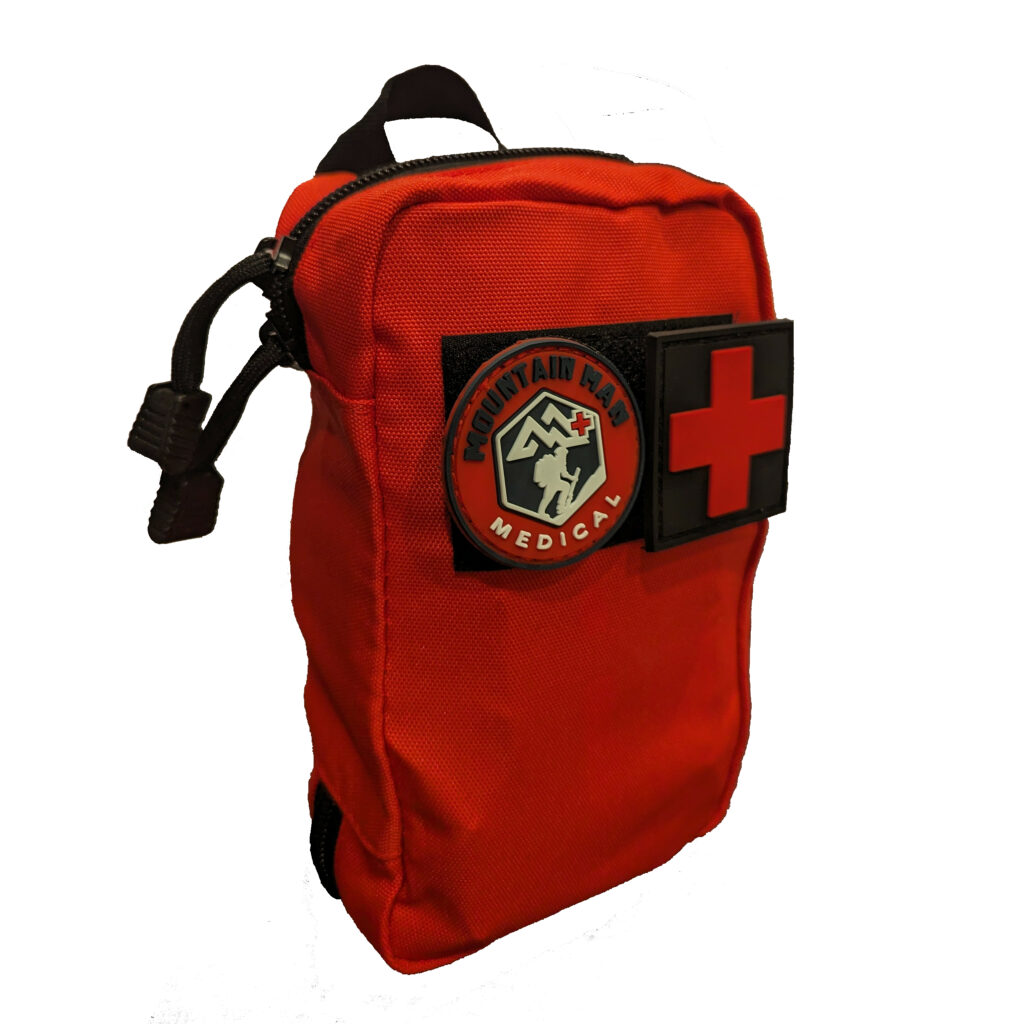
Clearly labeled, fast-access, and wall-mountable where you need them — classroom, gym, front office, bus. Designed so a teacher or staff member with basic training can act under stress.
Schools, districts, law enforcement, and public agencies across the country rely on our kits. As an authorized reseller, we source across brands to fit your standard and your budget.
Investing in a trauma kit isn’t just about having gear – it’s about having the power to save lives. In those critical moments when every second counts, you are looked at to be the one with the tools to make a difference.
Don’t wait for an emergency to strike. Equip yourself with the best trauma kits now and be prepared for any situation.
Kits only save lives if staff know how to use them — and many state laws now require annual training for at least one nurse or designated staff member. Our SME team can’t be on every campus, but our training can. We provide free online video training to our partners:
New gear, training tips, and deals from Mountain Man Medical.